The Science of Food Pairing: Creating Perfect Flavor Combinations
Understand the scientific principles behind food pairing and learn how to combine flavors like a professional chef using complementary and contrasting techniques.
Understanding Flavor Pairing Basics
Food pairing is both an art and a science. At its core, successful pairing involves understanding how different flavors interact on your palate. The five basic tastes—sweet, salty, sour, bitter, and umami—form the foundation of all flavor combinations.
Professional chefs use two main approaches: complementary pairing (combining similar flavor compounds) and contrasting pairing (balancing opposite flavors). Both methods create memorable dishes, but they achieve different results. Complementary pairings feel harmonious and natural, while contrasting pairings create excitement and complexity.
The Science of Flavor Compounds
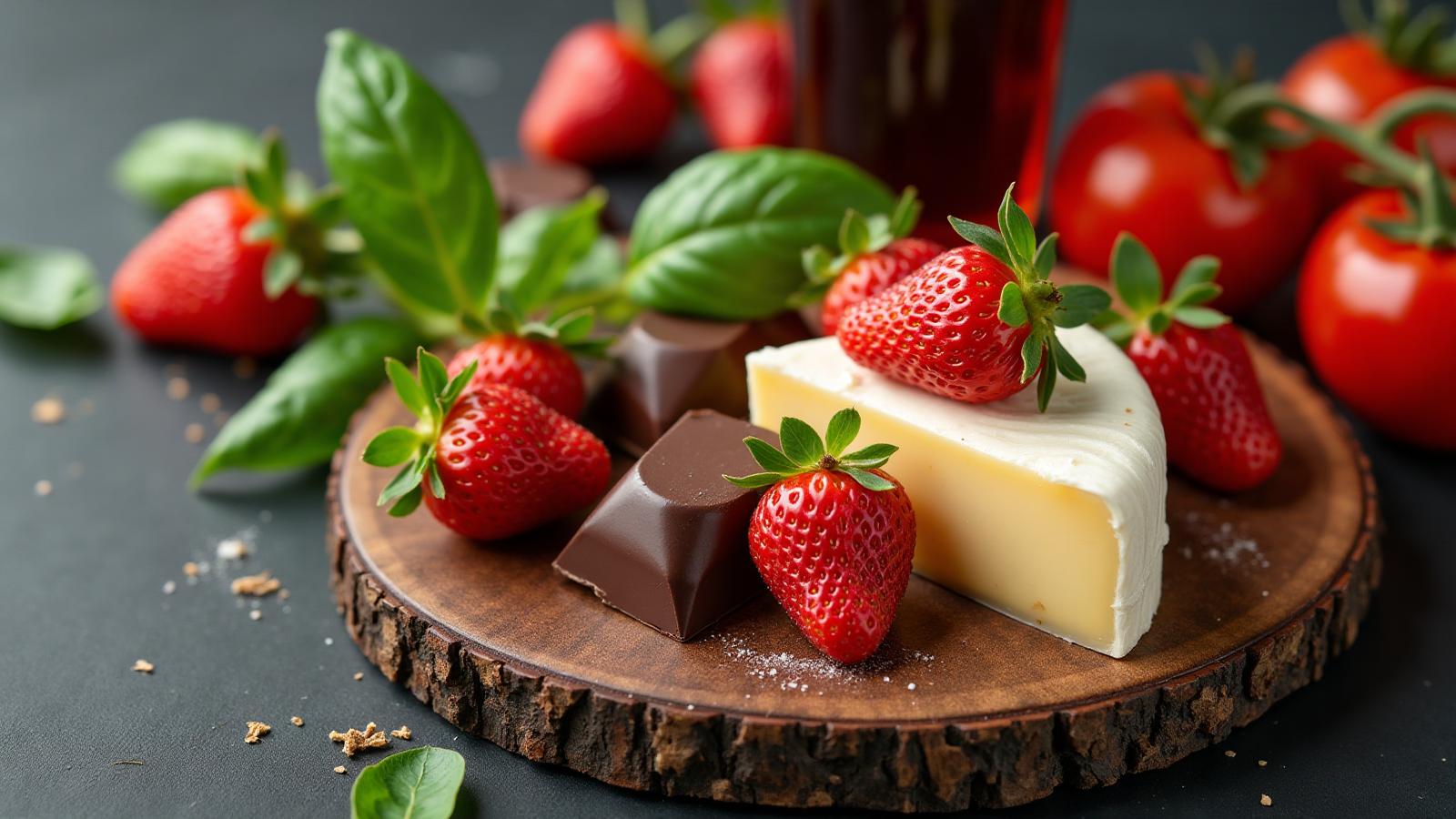
Modern food science has revealed that ingredients sharing similar volatile compounds often pair well together. For example, strawberries and tomatoes both contain furaneol, which is why they complement each other surprisingly well in savory dishes.
This scientific approach, pioneered by researchers analyzing molecular composition, explains why some unexpected combinations work beautifully. Coffee and steak share compounds, as do chocolate and blue cheese. Understanding these connections helps you create innovative pairings that surprise and delight.
Classic Complementary Pairings
Some flavor combinations have stood the test of time because they share similar characteristics. Tomatoes and basil are both slightly sweet with aromatic compounds that amplify each other. Lemon and fish work because both have bright, clean flavors that enhance rather than compete.
Other timeless combinations include: apples and cinnamon (warm spice enhances fruit sweetness), garlic and rosemary (both earthy and aromatic), chocolate and orange (complementary sweet and citrus notes), and pork and sage (herbaceous notes match meat's richness).
Mastering Contrasting Pairings
Contrasting pairings create balance by opposing flavors. Sweet and salty is perhaps the most famous example—think salted caramel, prosciutto with melon, or honey-glazed ham. The salt amplifies sweetness while the sweet balances salt's intensity.
Acid and fat is another powerful contrast. Rich, fatty dishes benefit from acidic components that cut through the heaviness. This is why fish is served with lemon, why vinaigrette works on salad, and why pickles accompany rich burgers. The acid provides brightness and prevents palate fatigue.
Spicy and sweet creates exciting tension. Thai cuisine masters this with dishes like sweet chili sauce. The sweetness initially dominates, then the heat builds, creating a dynamic eating experience that keeps you coming back for more.
Texture Pairing Principles
Flavor isn't everything—texture pairing matters just as much. Combining different textures creates interest and prevents monotony. Crispy elements on creamy dishes (like breadcrumbs on mac and cheese) provide satisfying contrast.
Consider temperature contrasts too. Warm brownies with cold ice cream exemplify this perfectly. The temperature difference enhances both components while creating a memorable sensory experience. Similarly, room-temperature components on hot dishes add complexity.
Regional Pairing Traditions
Different cuisines have developed their own pairing wisdom over centuries. Italian cooking emphasizes simple, complementary pairings—tomato and mozzarella, lemon and seafood. These combinations highlight each ingredient's quality rather than masking it.
Asian cuisines often embrace bolder contrasts. Chinese cooking balances sweet and sour, while Korean cuisine combines spicy and fermented flavors. Indian cooking layers multiple spices that complement and contrast, creating incredibly complex flavor profiles.
French cuisine focuses on refined pairings where butter and wine appear frequently, adding richness and acidity. Understanding these cultural approaches expands your pairing vocabulary and provides tested combinations to build upon.
Building Complex Flavor Profiles
Great dishes rarely rely on just one pairing principle. Instead, they layer multiple complementary and contrasting elements. A well-composed salad might have sweet (fruit), salty (cheese), bitter (greens), sour (vinaigrette), and umami (nuts), plus textural variety.
Start with a dominant flavor, then add supporting elements. If you're featuring rich salmon, you might add acid (lemon), earthiness (dill), and slight sweetness (honey glaze). Each addition serves a purpose—balancing, enhancing, or contrasting the main ingredient.
Common Pairing Mistakes to Avoid
The most common mistake is using too many competing flavors. If everything is bold, nothing stands out. Choose one or two stars and let other ingredients support them. Don't make every component equally intense.
Another pitfall is ignoring balance. All-rich or all-acidic dishes become one-dimensional and tiring to eat. Even if you love garlic, an all-garlic dish would be overwhelming. Use restraint and consider how flavors accumulate as someone eats.
Don't forget about the role of salt. Under-seasoning makes even well-paired ingredients taste flat. Salt doesn't just add saltiness—it enhances and amplifies other flavors, making them more pronounced and harmonious.
Experimenting with New Pairings
Once you understand the principles, experiment confidently. Taste ingredients separately, noting their dominant characteristics. Then combine small amounts and taste again. Does one ingredient enhance the other, or do they compete?
Keep a pairing journal documenting successes and failures. Note what worked and why. Over time, you'll develop intuition for which combinations will succeed. You'll start recognizing patterns and making creative leaps that produce exciting new dishes.
Remember that personal preference matters. While science and tradition provide guidance, your palate is the ultimate judge. If you love a combination that seems unconventional, embrace it. The best pairings are the ones you enjoy eating.