The Ultimate Guide to Cooking Pasta Al Dente: Science and Technique
Discover the science and technique behind perfectly cooked al dente pasta. Learn professional methods for testing, timing, and avoiding common mistakes.
What Does Al Dente Actually Mean?
Al dente is an Italian phrase meaning 'to the tooth.' It describes pasta that's cooked through but still has a slight firmness when you bite into it. This texture is achieved when the pasta's starches have absorbed water and gelatinized, but the center still has a slightly firm core.
Properly cooked al dente pasta has better texture, better flavor absorption, and a lower glycemic index than overcooked pasta. It's not just an Italian preference—it's the optimal way to enjoy pasta from both a culinary and nutritional perspective.
The Science of Pasta Cooking
Pasta is made primarily from durum wheat flour and water. When you add pasta to boiling water, the starch granules in the flour begin absorbing water and swelling. This process, called gelatinization, transforms the hard, brittle pasta into a tender, edible food.
The key to al dente is stopping the cooking process at the right moment—when the outer layers are fully cooked but the very center still has a tiny amount of firmness. At this stage, the pasta has absorbed enough water to be palatable but hasn't become mushy or overly soft.
Temperature matters significantly. Pasta must cook in boiling water (212°F at sea level) for proper starch gelatinization. Lower temperatures result in gummy, unevenly cooked pasta because the starches don't set properly.
Use Plenty of Water
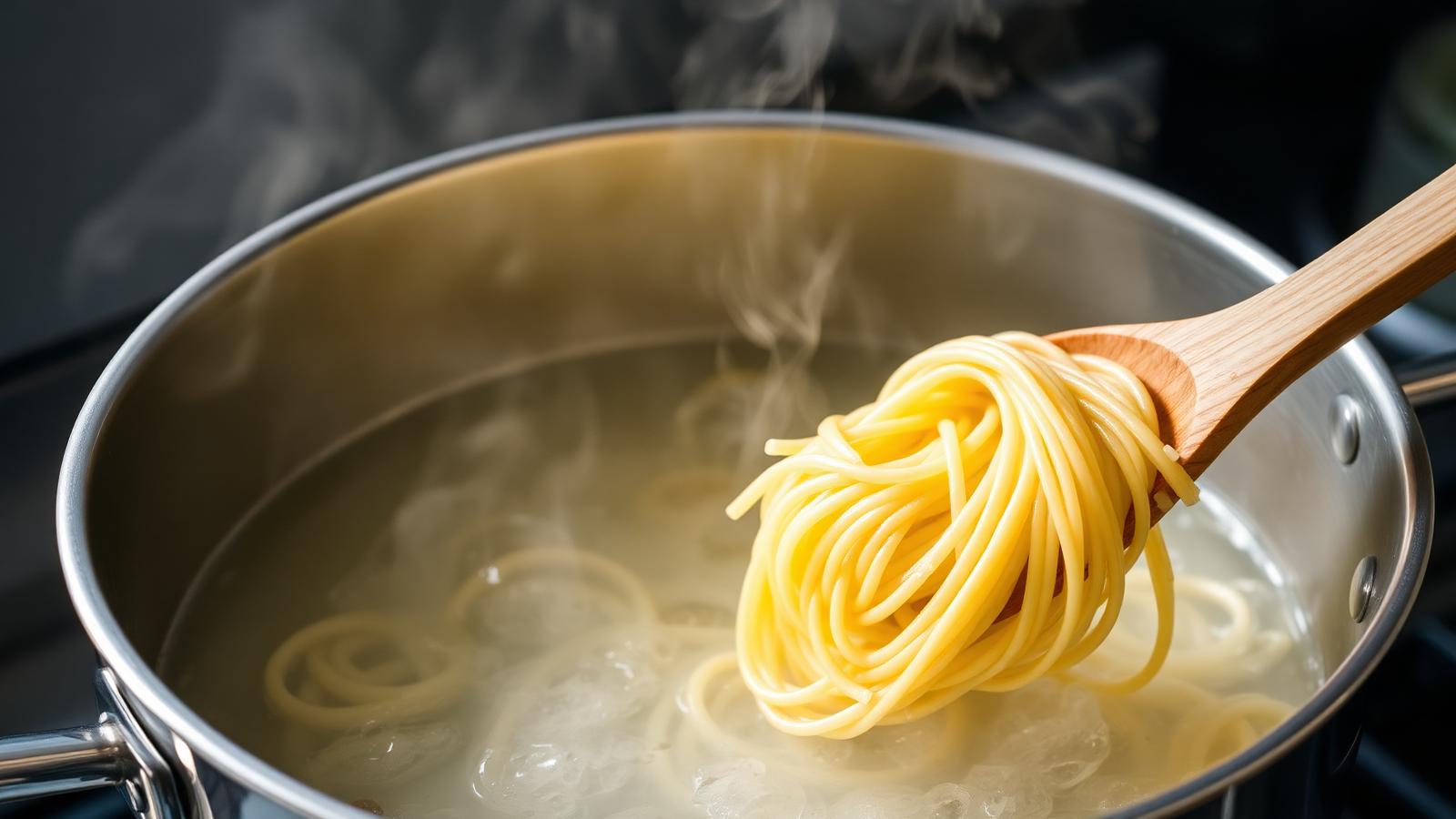
The most common mistake home cooks make is using too little water. You need at least 4-6 quarts of water per pound of pasta. This large volume serves several purposes: it returns to a boil quickly after adding pasta, provides room for pasta to move freely, and dilutes the starch that leaches out during cooking.
When pasta cooks in too little water, the starch concentration becomes too high, making pasta sticky and gummy. The pasta also cools the water too much, leading to uneven cooking. Your pot should be large enough that pasta can move freely as it cooks.
Salt the Water Generously
Your pasta water should taste like the sea—pleasantly salty but not undrinkable. Use about 1-2 tablespoons of salt per pound of pasta. This is your only opportunity to season the pasta itself; you can't add salt after cooking and achieve the same effect.
Salted water also slightly raises the boiling point and helps the pasta maintain its structure during cooking. Add salt after the water reaches a boil but before adding the pasta. This prevents any potential damage to your pot and ensures the salt dissolves completely.
Timing and Testing
Package directions are guidelines, not rules. Start testing your pasta 2-3 minutes before the minimum time listed. Different brands, pasta shapes, and even humidity levels affect cooking time. Fresh pasta cooks in 2-4 minutes, while dried pasta typically takes 8-12 minutes.
To test for al dente, remove a piece of pasta and cut it in half. You should see a tiny white dot or line in the center—this is the firm core. Bite into it; there should be a slight resistance but no crunch or chalkiness. The pasta should be tender but still have structure.
Don't Rely Solely on Package Times
Package times assume ideal conditions that may not match your kitchen. Altitude affects boiling point (water boils at lower temperatures in high elevations), which increases cooking time. The age and storage conditions of your pasta also matter—older pasta may take longer to cook.
Your personal preference matters too. Some people prefer a firmer bite, while others like pasta slightly more tender. The beauty of testing early and often is that you can find your perfect al dente.
Finish Cooking in the Sauce
Professional chefs often pull pasta from the water 1-2 minutes before it's fully al dente, then finish cooking it in the sauce. This technique allows the pasta to absorb flavor from the sauce while reaching the perfect texture.
Reserve 1-2 cups of pasta cooking water before draining. This starchy, salty water is liquid gold for bringing sauces together. Add it gradually to your sauce along with the pasta, stirring constantly. The starch helps emulsify the sauce and coat the pasta beautifully.
Common Mistakes to Avoid
Never add oil to pasta water. Despite popular belief, oil doesn't prevent sticking—stirring does. Oil actually coats the pasta and prevents sauce from adhering properly. Instead, stir pasta frequently during the first 2 minutes of cooking when it's most likely to stick.
Don't rinse pasta after draining unless you're making a cold pasta salad. Rinsing removes the starch coating that helps sauce cling to the pasta. It also cools the pasta down, which you don't want for hot dishes.
Avoid overcrowding the pot. If you're cooking more than a pound of pasta, use two pots. Overcrowding lowers the water temperature too much and causes pasta to stick together.
Shape Matters
Different pasta shapes have different ideal cooking times. Delicate shapes like angel hair cook much faster (4-6 minutes) than sturdy shapes like rigatoni (12-14 minutes). Stuffed pastas like ravioli need gentle handling and often float when done.
Pair shapes with appropriate sauces. Long, thin pastas work well with light, oil-based sauces. Tube shapes and pasta with ridges or holes catch chunkier, heartier sauces. Tiny pasta shapes are perfect for soups.
Practice Makes Perfect
Achieving perfect al dente pasta is a skill that improves with practice. Pay attention to how pasta changes as it cooks. Notice the color shift from opaque to translucent. Feel the texture change from hard to yielding to perfectly tender.
Keep notes if needed—jot down the exact time that worked for your favorite pasta shapes with your equipment. Once you've dialed in your method, you'll be able to produce perfectly cooked pasta every single time.
Remember, al dente is about more than just texture. It's about creating the perfect vehicle for sauce, ensuring optimal digestion, and experiencing pasta the way it was meant to be enjoyed. Your pasta dishes will immediately improve once you master this fundamental technique.