Building Flavor: The Essential Guide to Cooking with Aromatics
Discover how professional chefs use aromatics to create depth and complexity. Learn classic combinations and techniques for building extraordinary flavor.
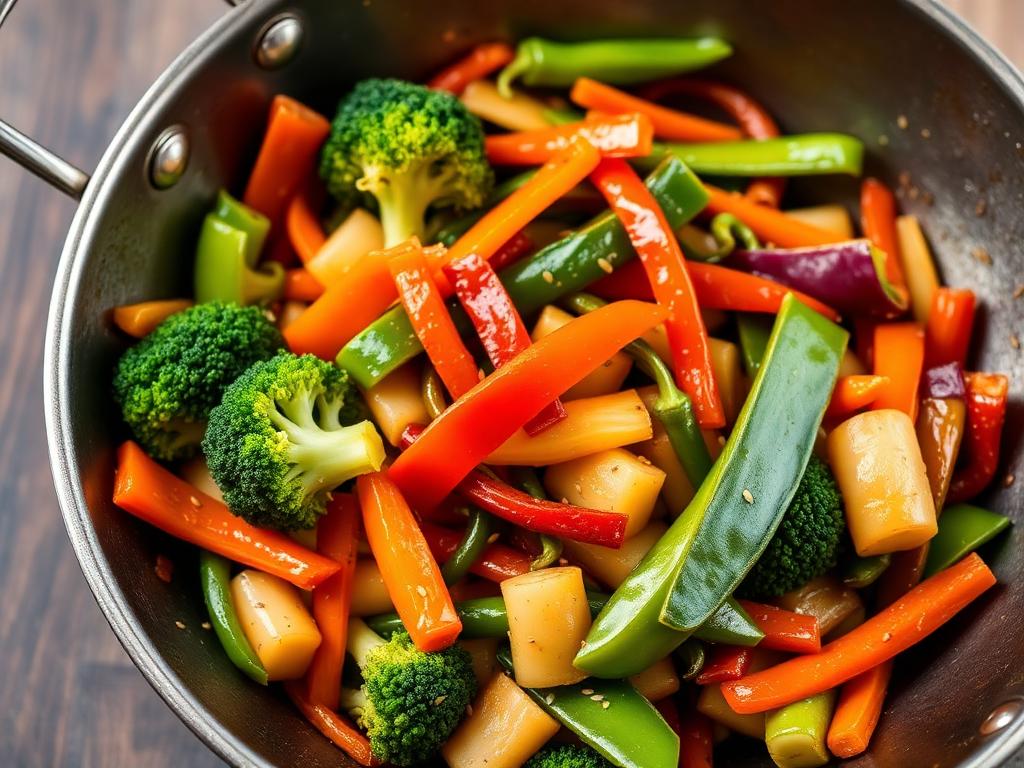
What Are Aromatics?
Aromatics are vegetables and herbs that provide the flavor foundation for countless dishes. When cooked, they release complex flavors and aromas that permeate the entire dish. The most common aromatics—onions, carrots, celery, garlic, and ginger—appear in cuisines worldwide.
These ingredients rarely shine on their own; their magic happens when cooked together. The combination creates something greater than the sum of its parts. This technique of building flavor from the bottom up is what separates good cooking from great cooking.
The Classic French Mirepoix
Mirepoix (meer-PWAH) is the French holy trinity: two parts onion, one part carrot, one part celery, typically in a 2:1:1 ratio. This combination appears in countless French dishes, from coq au vin to beef bourguignon, providing a subtle, savory foundation.
The vegetables are diced small (about 1/4 to 1/2 inch) and cooked low and slow in fat, usually butter or oil. The goal isn't browning but softening—a process called sweating. This gentle cooking releases natural sugars and flavors without adding color.
As the vegetables cook, they become translucent and sweet. This takes patience—10 to 15 minutes over medium-low heat. Rushing this step by turning up heat results in browned, bitter vegetables instead of the sweet, aromatic base you want.
The Cajun Holy Trinity
Cajun and Creole cooking swap carrots for bell peppers in their trinity: onion, celery, and bell pepper in equal parts. This combination defines Louisiana cuisine, appearing in gumbo, jambalaya, étouffée, and countless other dishes.
The bell peppers add sweetness and a distinct flavor that carrots can't provide. Green peppers offer more vegetal notes, while red and yellow peppers bring additional sweetness. Many cooks use a mix for complexity.
Like mirepoix, the holy trinity needs time to develop. Cook in oil or butter over medium heat until the vegetables soften and become aromatic, typically 8-10 minutes. The kitchen should smell incredible—that's your signal the base is ready.
Spanish Sofrito
Sofrito varies by region but typically includes tomatoes, onions, and garlic cooked slowly in olive oil until they form a thick, deeply flavored paste. Some versions add bell peppers or paprika. This base appears throughout Spanish and Latin American cuisine.
The key to sofrito is patience and low heat. The vegetables break down over 20-30 minutes, concentrating their flavors and creating a rich, almost jammy consistency. The tomatoes should lose their raw acidity and taste sweet and complex.
Fresh or canned tomatoes both work. Some cooks prefer canned for consistency and convenience. Grate fresh tomatoes on a box grater (skin will stay behind) for a traditional texture. The sofrito is done when a spoon dragged across the pan leaves a trail.
Asian Aromatic Combinations
Asian cuisines build flavor with ginger, garlic, and scallions—often called the 'Chinese trinity.' Unlike Western aromatics that cook low and slow, these ingredients typically hit hot oil for just 30-60 seconds, releasing intense fragrance without burning.
Lemongrass, galangal, and chiles form another powerful Asian aromatic base, particularly in Thai cooking. These ingredients are often pounded into pastes that bloom in hot oil, creating the foundation for curries and soups.
The technique differs from Western approaches. High heat, quick cooking, and the order of addition matter enormously. Ginger typically goes in first (it takes more heat), then garlic (which burns easily), then scallions or chiles. Watch and smell—when the fragrance blooms, it's time to add liquid.
Building Layers of Flavor
Professional chefs build dishes in layers, adding ingredients at different stages. Aromatics go in first, creating the foundation. Then you might add spices (which need heat to release essential oils), then proteins, then liquids, then finishing herbs.
Each layer needs its moment. If you dump everything in at once, you miss the opportunity for ingredients to develop individually and interact. Aromatics need time to soften. Spices need to toast. Herbs added too early lose their fresh flavor.
This layering concept applies to most cooking methods. In a braise, aromatics go in first, then you brown meat, deglaze with liquid, and finish with herbs. In a stir-fry, aromatics bloom in hot oil, then vegetables and protein, then sauce. The sequence matters.
Temperature and Fat Matter
The fat you choose affects the final flavor. Butter adds richness and slight sweetness—perfect for delicate dishes. Olive oil brings its own fruity, peppery notes. Neutral oils let the aromatics shine. Some dishes call for animal fats like bacon fat or duck fat for richness.
Temperature control is crucial. Too low and aromatics steam rather than develop flavor. Too high and they burn, turning bitter. Medium to medium-low is usually right. The vegetables should gently sizzle, not furiously bubble or sit silently.
Salt added early helps draw out moisture and speed softening. Just a pinch at the start of cooking makes a difference. The aromatics will taste properly seasoned rather than raw and harsh, even before you add other ingredients.
Common Mistakes to Avoid
The biggest mistake is rushing aromatics. That 10-15 minute base-building phase feels long, but it's essential. Undercooked aromatics taste raw and harsh. They need time to transform from pungent vegetables into sweet, complex flavor foundations.
Don't add garlic too early. Garlic burns easily and turns bitter when overcooked. Add it near the end of your aromatic cooking—typically 1-2 minutes before adding liquids. It should smell fragrant, not brown.
Cutting aromatics inconsistently means some pieces burn while others stay raw. Take time to cut vegetables uniformly. Smaller pieces cook faster, which is fine if that's what you want, but pieces should be the same size as each other.
Finally, don't skip the aromatics. You might be tempted to save time, but aromatics are where flavor begins. A soup without a proper aromatic base will taste flat no matter how long it simmers. Start with a solid foundation and everything else follows.
Putting It All Together
Start your next soup, stew, or braise with a proper aromatic base. Choose your combination based on the dish's heritage: mirepoix for French, holy trinity for Cajun, sofrito for Spanish, or create your own based on the flavor profile you want.
Heat your fat over medium heat. Add your aromatics and a pinch of salt. Cook, stirring occasionally, until softened and aromatic. This is meditation time—smell the transformation as harsh vegetable flavors become sweet and complex.
Once your aromatics are ready, build your dish layer by layer. Each addition should have a purpose and a moment to shine. With this approach, your cooking will develop depth and complexity that's impossible to achieve any other way. You'll taste the difference in every bite.